

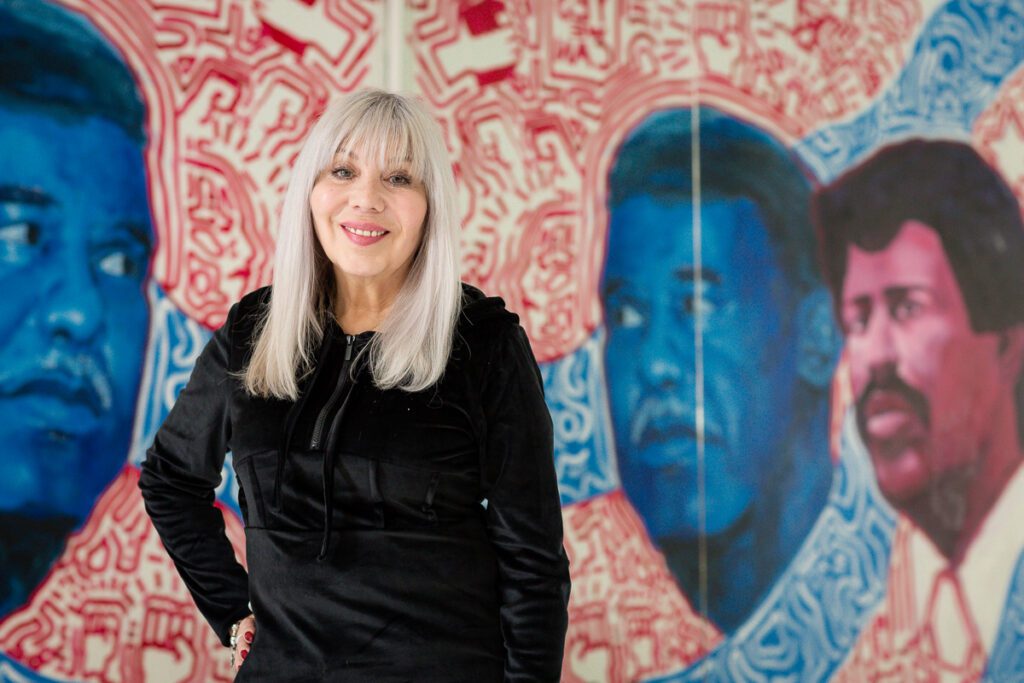
 Fotografía de Michelle Kanaar/Borderless Magazine
Desde organizadores a artistas, Borderless Magazine trabajó con inmigrantes en 2021 para contar sus historias, a su manera.
As-told-tos, or stories that are told from the personal perspectives of immigrants, are an important part of our work as a human-centered publication. From the initial reach-out to the fact-checking process, our reporters work collaboratively with interviewees to make sure they understand the method and feel comfortable with the publication process.
¿Quiere recibir historias como ésta en su bandeja de entrada todas las semanas?
Suscríbase a nuestro boletín gratuito.
We believe this helps to create a scaffolding of care that centers immigrants’ voices to better represent their experiences. More broadly, the method aims to counter — and perhaps begin to heal — decades of harmful and racist media coverage of immigrant communities. When immigrants share their stories in their own words, they become more than soundbites, and critically, more than reductive or stereotypical narratives of heartbreak, trauma, resilience and resistance.
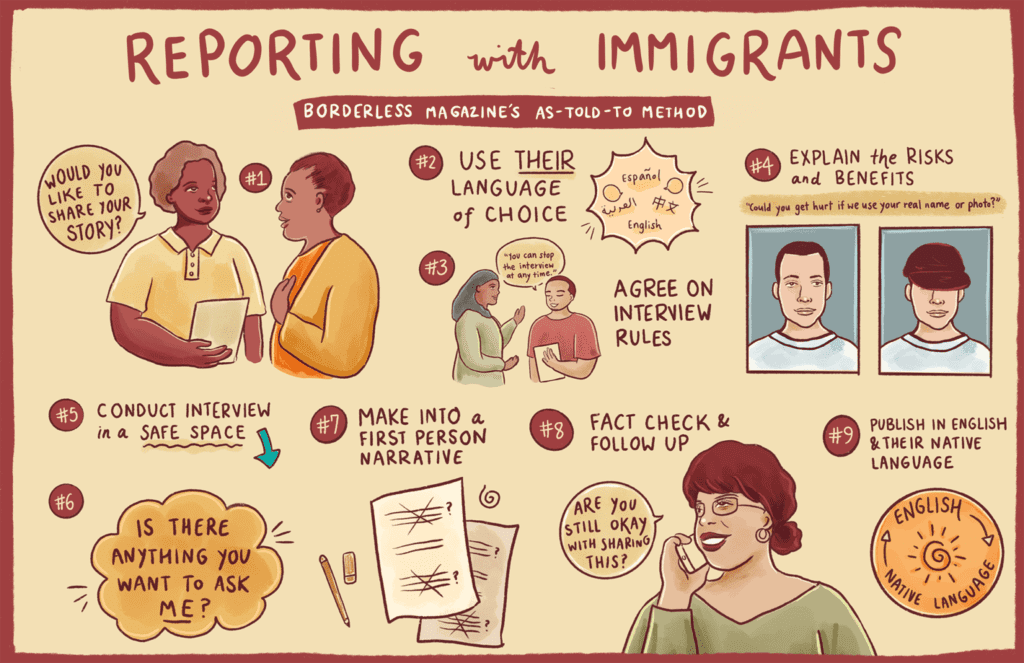
Below are some of our favorite as-told-to stories of the year.
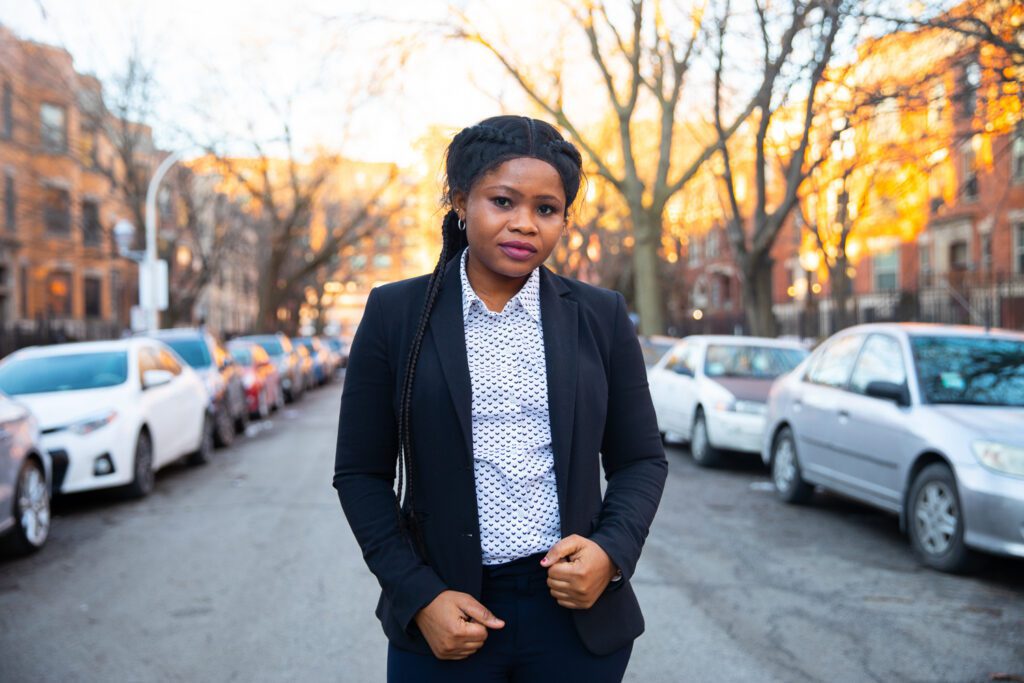
As told to Diane Bou Khalil
Tras huir de la violencia doméstica en Ghana, Vida Opoku encontró la vida y la luz cuando emigró a Chicago.
“Adapting to America and the pandemic has not been easy,” said Opoku. “I am seen as a stranger here. But I can say I always get support from the people that I have gotten to know.”
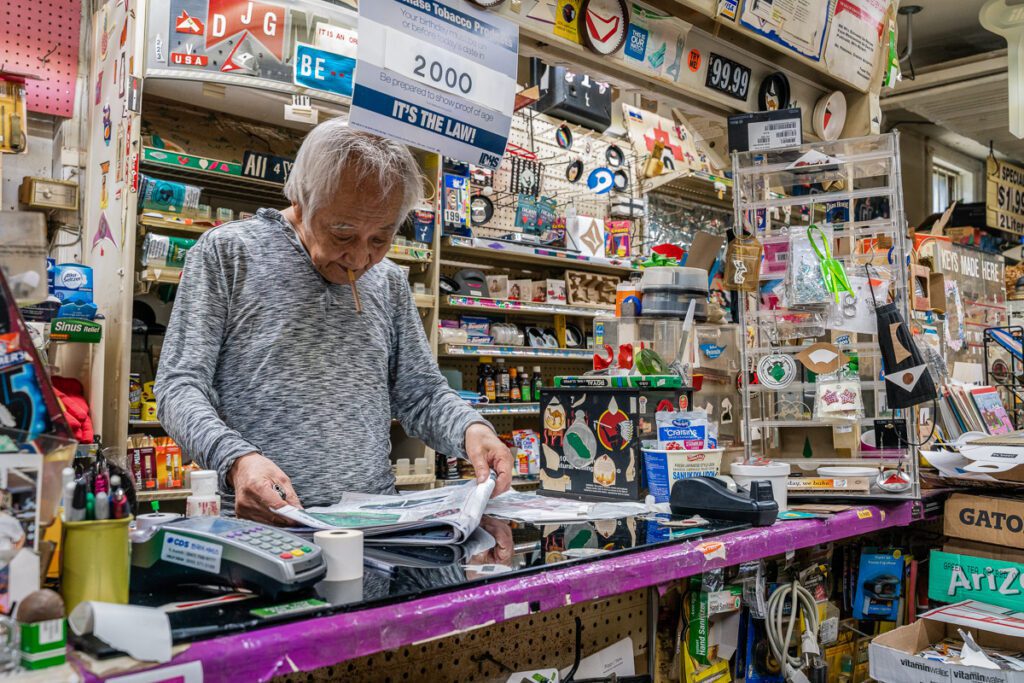
As told to Claire Voon
Thomas Kong, nacido en Corea del Norte, emigró a Estados Unidos en busca de oportunidades. Ahora tiene una profesión distinta: propietario de una tienda de comestibles y artista.
“One idea I had was to put the words ‘Be happy’ on every piece of work to give people a different feeling,” said Kong. “You’ve got to be happy. It applies to everybody, to their heart.”
As told to Michelle Kanaar
Chicago Pastor Emma Lozano discusses the movement to keep undocumented immigrants with their families and a related MCA exhibit.
“I always tell the Mariposas, our pastoras [female pastors] that they’re like acupuncturists,” Lozano said. “The movement is sometimes sleepy, sometimes it’s a little sick, and you’ve just got to go over there and prick it in the right place, and then it’ll wake up again.”
As told to Emma Glassman-Hughes
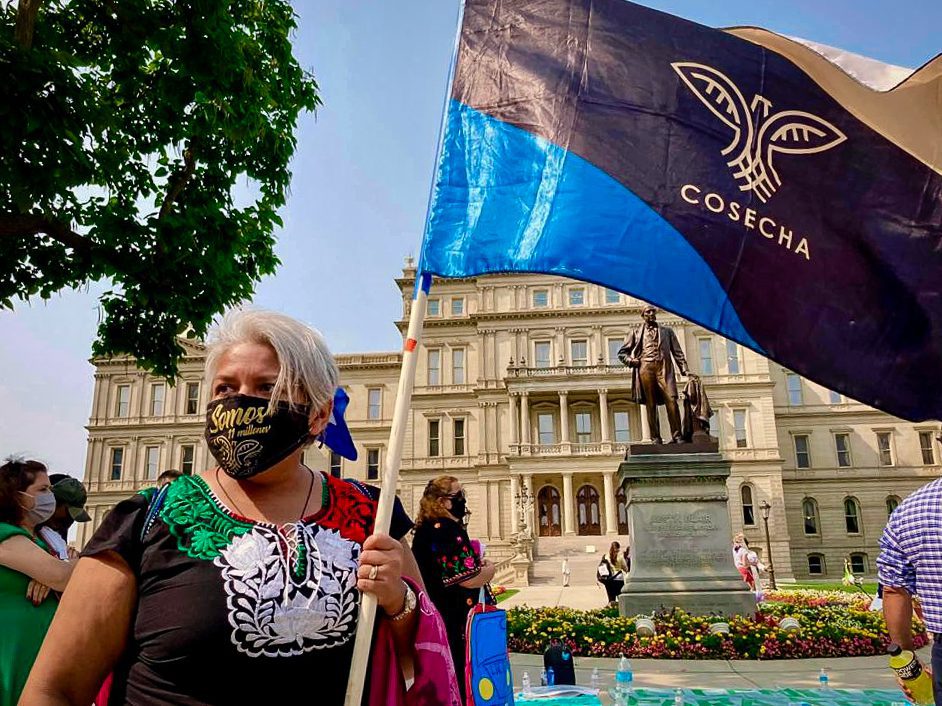
Gema Lowe, who migrated from Mexico to America 30 years ago, describes her journey as an advocate for undocumented immigrant in Grand Rapids
“[Movimiento] Cosecha has taught me all about people power — the power of taking our liberation into our own hands,” Lowe said. “And that’s what we need now.”
As told to April Alonso
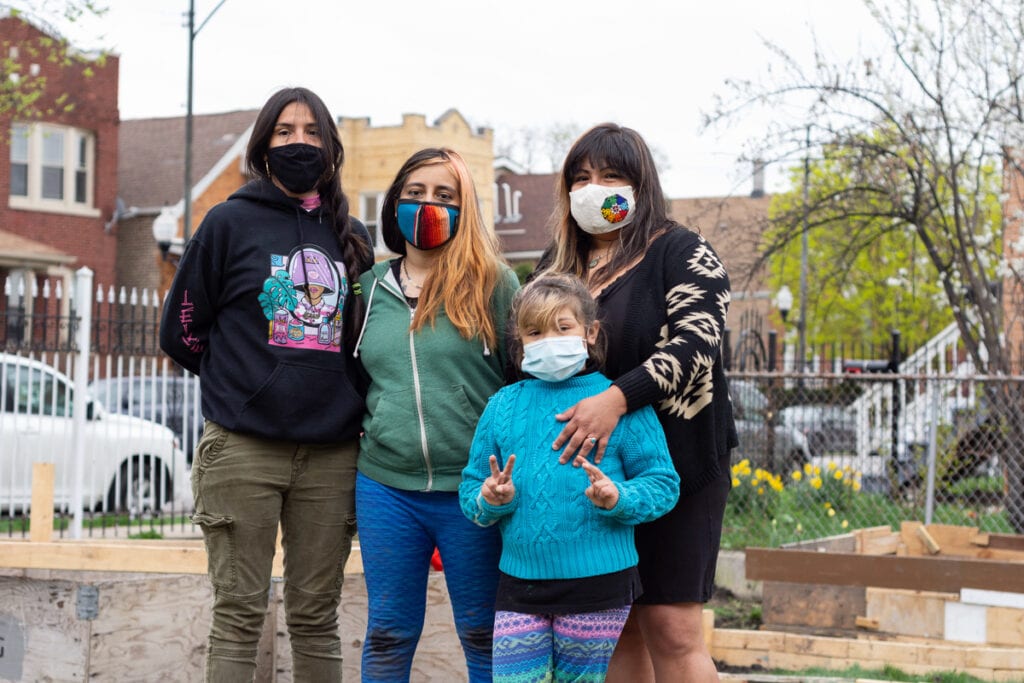
Formada por tres mujeres latinas, Femme Defensa aborda la falta de ayudas públicas en los barrios de Pilsen y Little Village, en Chicago, mediante la atención directa a la comunidad.
“We ask people, ‘What do you need?’, not necessarily tell people that this is the only thing we can do for you,” Pura said. “I think that’s where the difference is between how the government operates and how we operate to meet the needs in our community.”
As told to Ata Younan
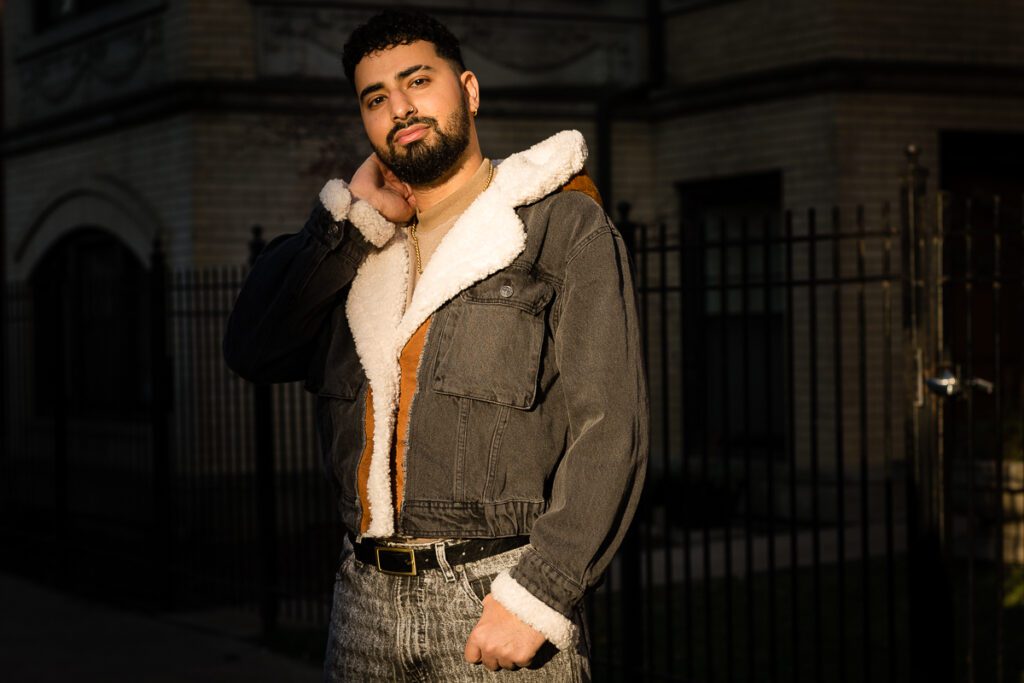
El organizador homosexual Samer Owaida habla de cómo vincular las luchas mundiales contra la opresión a los movimientos locales por el cambio.
“I can never be happy in this life as long as I know that there are people who are experiencing unjust oppression somewhere because I know what it feels like to be unseen,” Owaida said. “I was also unseen, historically and politically, as a Palestinian. I don’t want anyone to ever experience that.”
As told to Brian Herrera
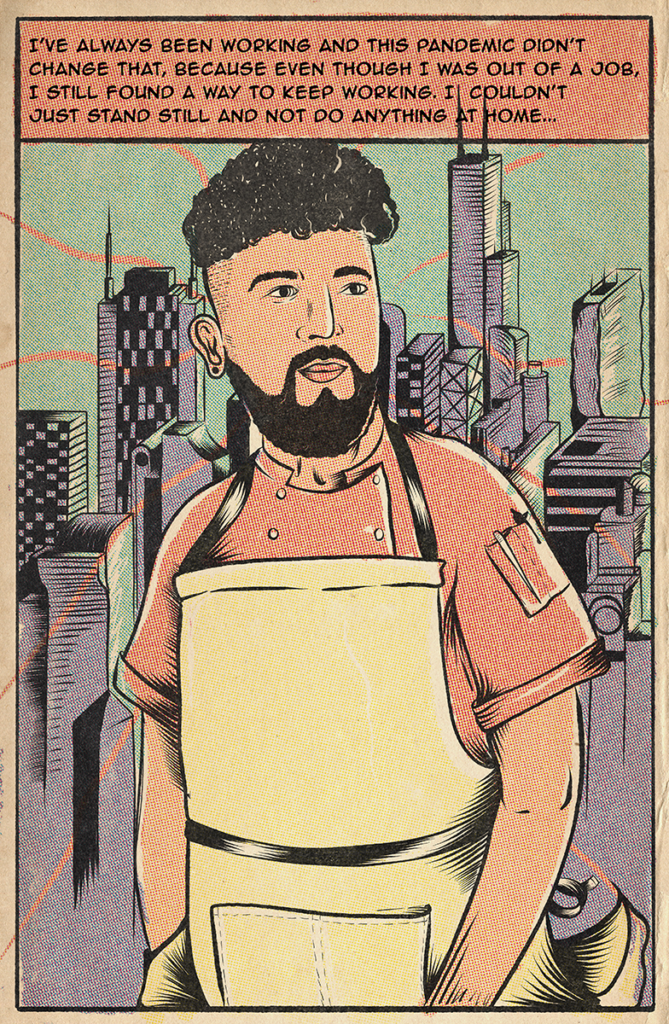
What it’s like to be a queer, undocumented chef in Chicago during the COVID-19 pandemic
“That is a very common thing in the queer community — having a family that raised you but also having a chosen family that will support and won’t judge you,” said Arturo Barbosa. “I think it’s very important to have people that will care for you and will always be there even in the darkest times.”
As told to Rita Oceguera
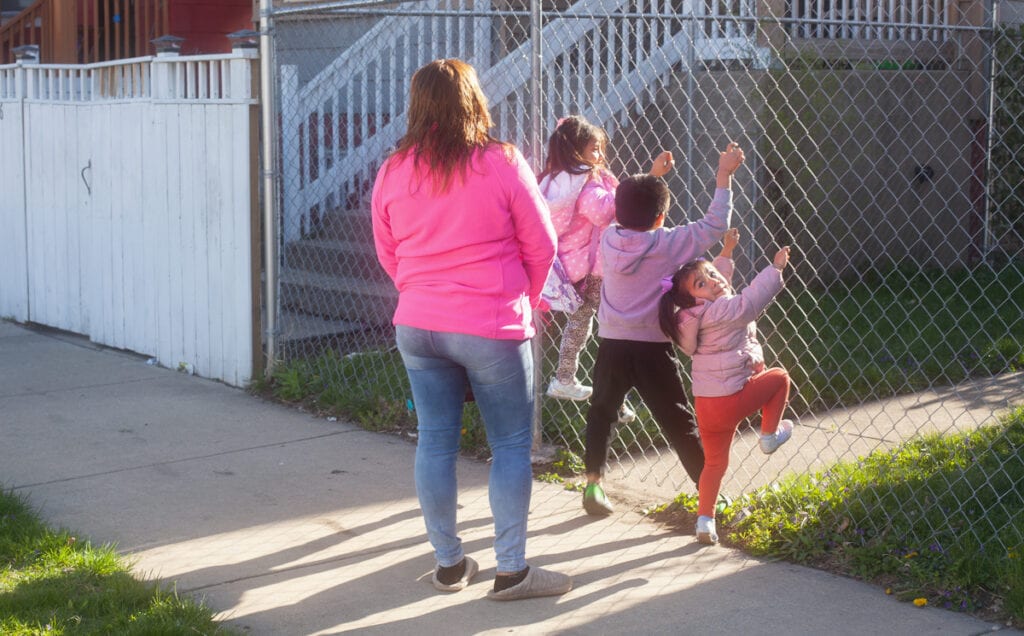
Una madre de Chicago explica cómo la condena de 15 años de su marido condujo a tres deportaciones y a una familia destrozada.
“The police stopped [my husband] and handcuffed him,” said Elena. “Our two youngest daughters, 4 and 2 years old, were in the car and saw the whole incident. Now, whenever they see police sirens, they panic.”
As told to Mark Dovich
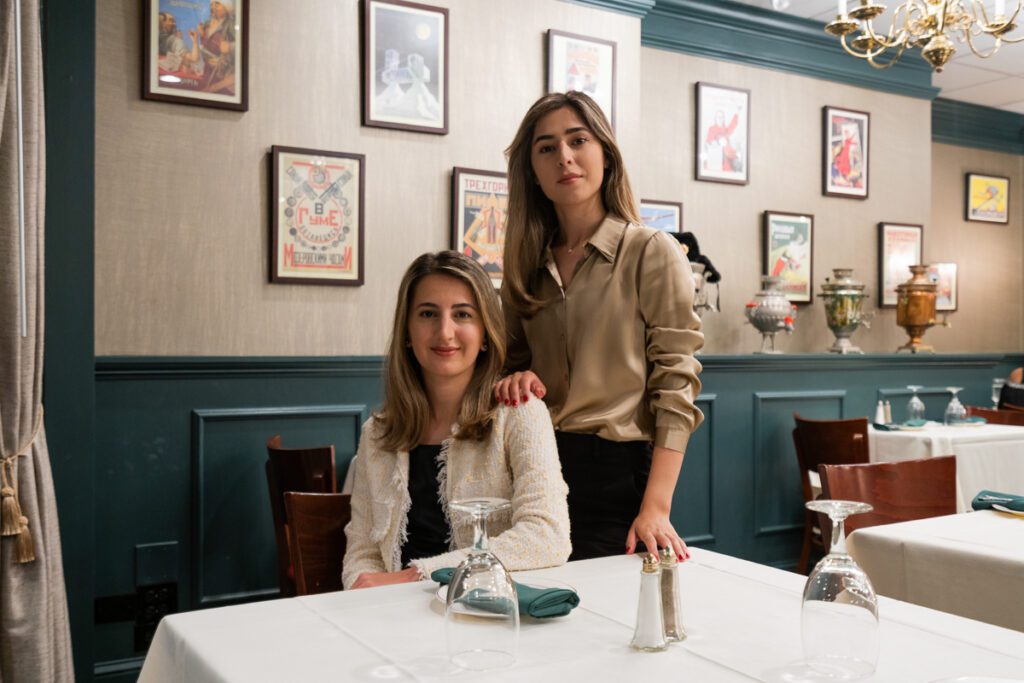
Para Altyn y Enesh Mantyyeva, copropietarios del emblemático restaurante de Chicago Russian Tea Time, servir los platos de su infancia no es sólo un negocio: es una responsabilidad personal.
“It’s food. It’s a completely different language that unites people,” said Enesh Mantyyeva. “If you eat borscht and I eat borscht, that’s something that we have in common.”
As told to Sarah Luyengi
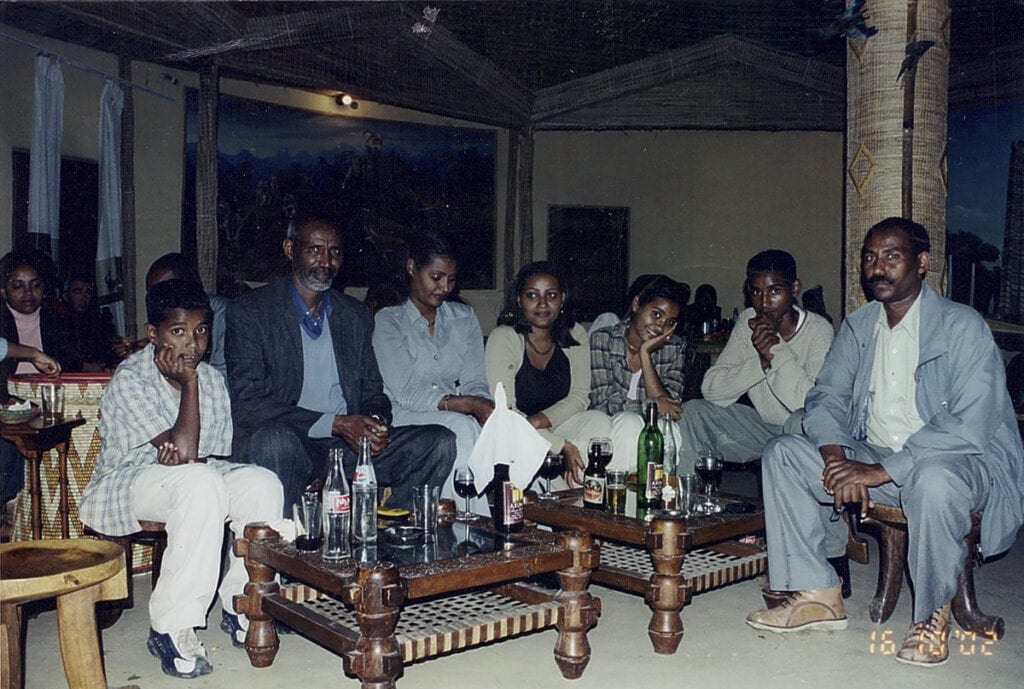
Mientras continúan las violaciones de los derechos humanos en Etiopía, el chef de Chicago Tigist Reda es uno de los muchos etíopes en Estados Unidos que se quedan con más preguntas que respuestas.
“We’ve been closer than ever, but also much of the non-Tigrayan population in this country has remained silent,” Reda said. “Ask any average person here in Chicago, and they have no idea what’s going on.”

Da poder a las voces de los inmigrantes
Nuestro trabajo es posible gracias a las donaciones de personas como usted. Apoye la información de alta calidad haciendo una donación deducible de impuestos hoy mismo.
